
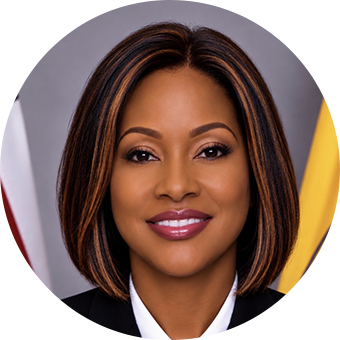

CDR Janice M. Arceneaux, DNP, APRN, FNP-C, PMHNP-BC, CMSRN, is a dual-specialty board-certified Family Nurse Practitioner and Psychiatric-Mental Health Nurse Practitioner, federal healthcare executive, nurse educator, published scholar, U.S. Army Desert Storm veteran, and Commander in the U.S. Public Health Service Commissioned Corps. With more than 30 years of healthcare service, she has advanced patient care, health equity, workforce development, and healthcare transformation across clinical, federal, academic, and underserved community settings.
At the Centers for Medicare & Medicaid Services, Dr. Arceneaux serves as a Lead Public Health Consultant and Title XIX subject matter expert, providing federal oversight and technical leadership for Medicaid Home and Community-Based Services affecting more than 1.6 million beneficiaries. As Senior Project Officer at Parker Indian Health Center, she planned and led a Patient-Centered Medical Home transformation implemented in 75 days, contributing to a 65% reduction in avoidable emergency department utilization within 90 days and 100% completion of targeted workforce training. Its patient-centered impact was reflected in the reassessment of a patient treated for depression, where integrated evaluation identified an underlying thyroid abnormality and prompted a revised diagnosis and treatment plan.
A nationally engaged mentor and educator, Dr. Arceneaux has trained more than 200 mentors and personally mentored more than 100 U.S. Public Health Service officers. She created the Focus, Understand, Execute, and Leverage (FUEL) Mentorship Model and the Arceneaux Intentional Dual Mentorship Continuity Framework to strengthen leadership development, mentorship continuity, and workforce sustainability. Her more than 20 years of nursing education experience spans undergraduate and graduate learners.
Dr. Arceneaux advances nurse practitioner practice through policy leadership with Texas Nurse Practitioners and national professional service. Her career reflects an enduring commitment to expanding access, developing clinicians, strengthening healthcare systems, and ensuring that no patient, clinician, or future leader is left behind.