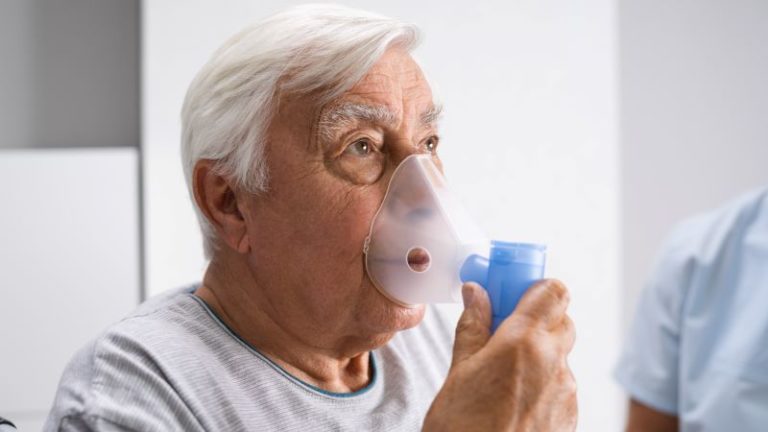
Climate change is intensifying health emergencies through more frequent wildfires, extreme heat, flooding, and storms, and these events disproportionately harm people who are already vulnerable—low-income communities, older adults, children, people with chronic lung or cardiac disease, communities of color, Indigenous people, and undocumented residents. Intensivists at CHEST 2025 stressed that wildfire smoke clearly drives asthma and COPD exacerbations, emergency department visits, hospitalizations, and even mortality. They similarly stressed that exposure is not limited to the outdoors because particulate matter can infiltrate buildings. Extreme heat similarly raises intensive care unit admissions for heat stroke and multiorgan dysfunction, especially in patients who can’t thermoregulate or who work outdoors.
The panel also noted that climate disasters damage health infrastructure for years, as seen in New Orleans after Hurricane Katrina, which further restricts access to already overburdened critical care. Because of this, clinicians were urged to act beyond the bedside: identify and prioritize high-risk patients, advocate for cooling centers and emergency plans, ensure access to accurate information, and lend their voices against policy rollbacks that worsen air quality. The author’s message indicated that climate change is now a pulmonary and critical care problem, not just an environmental one.
Reference: Bonavitacola J. Climate Change Will Affect Pulmonary Health Across Intensive Care. AJMC. Published October 19, 2025. Accessed October 31, 2025. https://www.ajmc.com/view/climate-change-will-affect-pulmonary-health-across-intensive-care
Link: https://www.ajmc.com/view/climate-change-will-affect-pulmonary-health-across-intensive-care