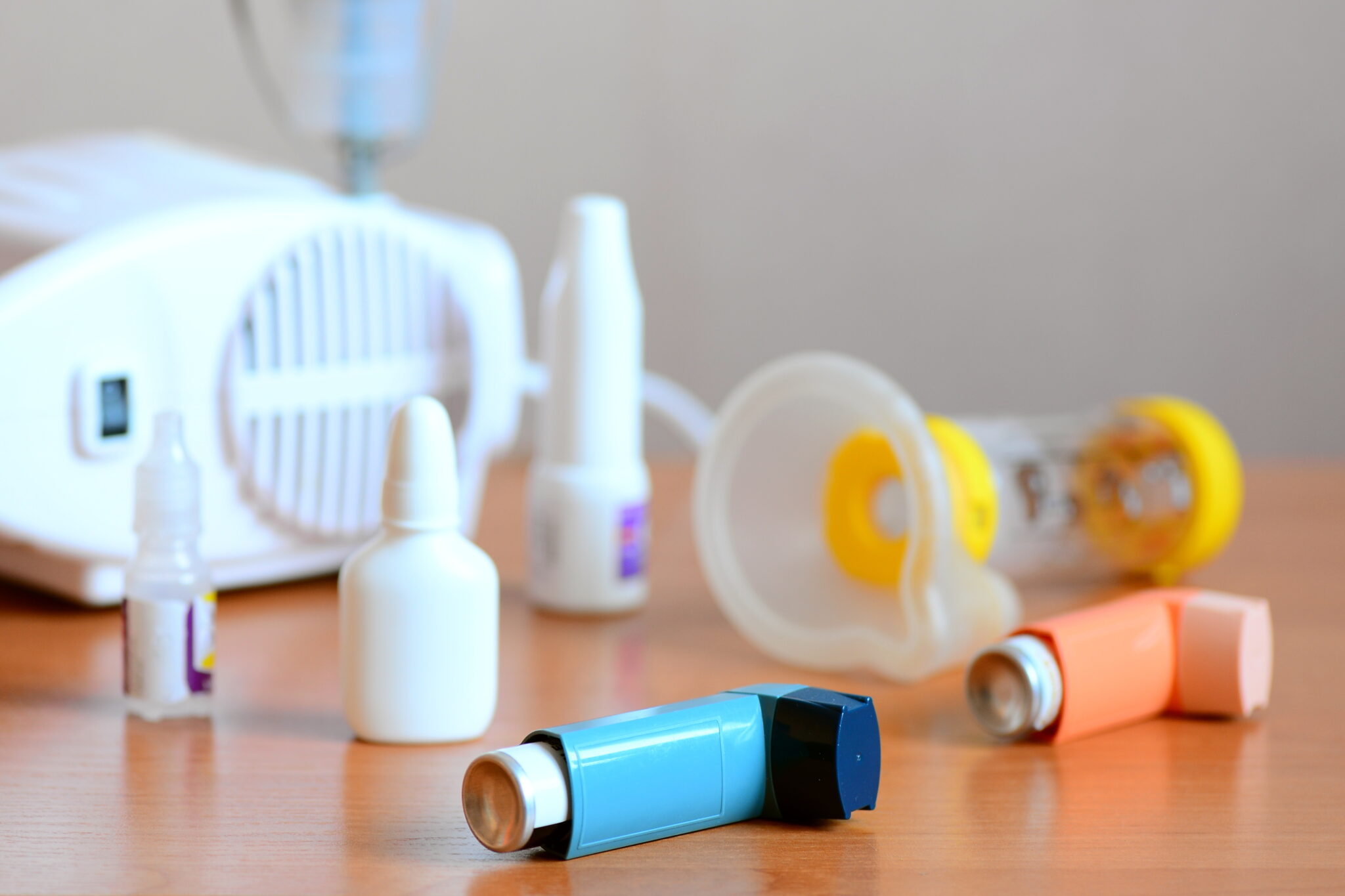
Authors of a systematic review (search through August 18, 2024) pooled seven publications from two multicenter randomized controlled trials evaluating dupilumab in 542 children and adolescents with uncontrolled moderate–severe asthma (children 6–11 years, n=408; adolescents 12–17 years, n=134). In both trials, outcomes were examined with GRADE.
Evidence indicates that dupilumab likely reduces severe exacerbations (incidence rate ratio [IRR] 0.46, 95% confidence interval [CI] 0.31–0.67; moderate certainty), with greater benefit in Th2-phenotype children. It also likely improves quality of life to a clinically meaningful extent (RR, 1.18; 95% CI, 1.01–1.29; moderate certainty) and increases lung function at 52 weeks (pre-BD FEV1/FVC Z-score RR, 1.45; 95% CI, 1.22–1.63; high certainty). However, it likely does not yield a substantial improvement in asthma control scores versus placebo (mean difference, −0.43; minimal-important-difference, 0.5; moderate certainty). Serious adverse events were likely similar to placebo (4.8% vs 4.5%; RR 1.05, 95% CI 0.41–2.68; low certainty). Overall, in children and adolescents—especially with a Th2 inflammatory profile—dupilumab likely cuts exacerbations and improves quality of life and lung function with a safety profile comparable to placebo.
Reference: Aznaran-Torres R, Nombera-Lossio J, Arredondo-Nontol M, et al. Effects of Dupilumab in Children and Adolescents With Moderate-Severe Asthma: A Systematic Review of Clinical Trials. Pediatr Pulmonol. 2025;60(5):e71138. doi: 10.1002/ppul.71138.
Link: https://onlinelibrary.wiley.com/doi/10.1002/ppul.71138