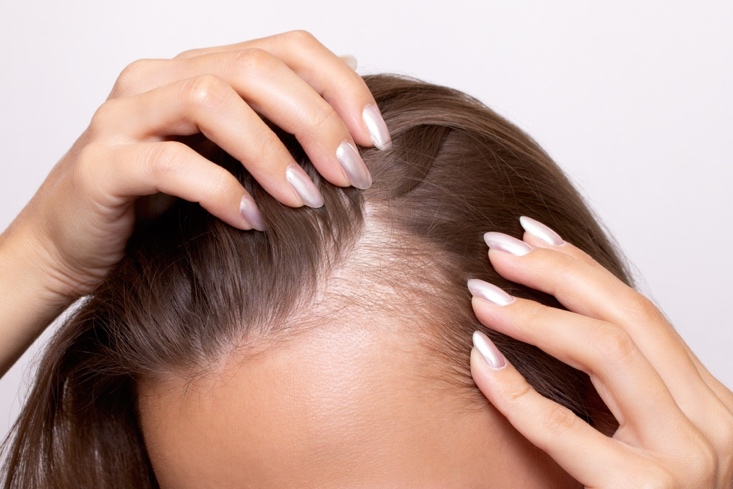
This cross-sectional study assessed perceived stigmatization and quality of life (QoL) in individuals with alopecia areata (AA) and androgenetic alopecia (AGA) across German-speaking countries and the US. Using validated tools like the Hairdex and Perceived Stigmatization Questionnaire (PSQ), researchers found that patients with AA generally experienced more stigma than those with AGA but reported better overall QoL. This is likely due to stronger social support and resilience. Stigma was higher among younger, employed individuals and those with more severe disease. Notably, male participants reported greater stigma than females, challenging the assumption that appearance-related pressure affects women more. GS participants reported higher stigma than their US counterparts, while US participants had lower QoL, underscoring sociocultural differences.
Stigma increased with disease severity, while QoL often improved over time, suggesting possible adaptation. Stronger self-confidence, resilience, and social support were linked to lower stigma levels. Employment, particularly in full-time roles, was associated with higher perceived stigma, possibly due to greater public exposure. While race and marital status didn’t significantly impact stigma, the study emphasizes the need for targeted interventions—such as cognitive behavioral therapy and support groups—to reduce stigma and improve psychosocial outcomes.
Reference: Kullab J, Stuhlmann CFZ, Ziehfreund S, et al. Identification of Stigmatization and Relevant Predictors in People with Alopecia Areata and Androgenetic Alopecia: A Comparative Cross-sectional Study in German-speaking Countries and the USA. Acta Derm Venereol. 2025 Mar 3;105:adv42278. doi: 10.2340/actadv.v105.42278. PMID: 40026109; PMCID: PMC11894293.