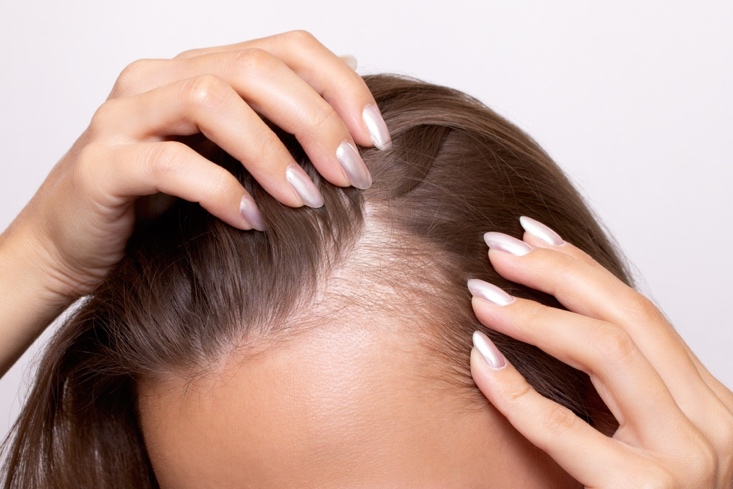
An exploratory cross-sectional study of 510 patients at Charité-Universitätsmedizin Berlin found that alopecia is associated with moderate overall quality-of-life impairment, with psychological well-being emerging as the most affected domain. Using Dermatology Life Quality Index and Patient-Reported Outcomes Measurement Information System measures, both scarring and non-scarring alopecia showed a meaningful mental health burden. However, non-scarring alopecia was linked to greater psychological impact, including higher anxiety scores and mild depressive symptoms. In contrast, scarring alopecia was associated with more limitations in physical functioning, likely reflecting symptoms such as pruritus, burning, and dysesthesia.
The study also identified notable demographic patterns: younger and middle-aged patients reported more quality-of-life impairment and higher anxiety than older adults, and women reported higher anxiety than men—especially women with non-scarring alopecia, who also described greater strain in personal relationships. The authors argue these findings challenge the idea that hair loss is “merely cosmetic” and suggest psychological support may be a valuable addition to alopecia management. They note limitations (convenience sampling, short recall window) and call for larger, more diverse, longitudinal studies using hair-specific tools to better define alopecia’s full impact.
Reference: McNulty R. Psychological Burden of Alopecia Significantly Impacts Quality of Life. AJMC. Published October 30, 2025. Accessed January 8, 2025. https://www.ajmc.com/view/psychological-burden-of-alopecia-significantly-impacts-quality-of-life
Link: Psychological Burden of Alopecia Significantly Impacts Quality of Life | AJMC