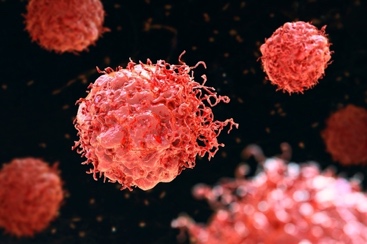
Activating EGFR mutations (primarily exon 19 deletions and L858R) drive non-small cell lung cancer and respond to EGFR tyrosine kinase inhibitors, though resistance spurred third-generation agents. Given evidence that gut dysbiosis can influence carcinogenesis and therapy response, researchers profiled stool microbiota over time in lung-specific EGFR L858R/T790M/C797S transgenic mice under tightly controlled diet and environment. Using 16S rRNA sequencing at three disease stages (baseline, mutant-EGFR expression, and overt tumor), researchers observed significant, stage-linked shifts in alpha and beta diversity and changes in major taxa, including a transient drop in the Firmicutes:Bacteroidetes ratio during early mutant expression.
With tumor emergence, Lactobacillaceae—and multiple short chain fatty acid (SCFA)-producing Lactobacillus species (eg, L. gasseri, L. reuteri)—were depleted, while families such as Lachnospiraceae and Ruminococcaceae increased. Several other taxa rose or fell without established links to lung cancer. Because SCFAs regulate mucosal immunity and may modulate tumorigenesis, the loss of Lactobacillus could represent a microbiome signal of EGFR-driven carcinogenesis. The authors propose that specific microbial patterns might serve as predictive markers, while noting limitations: mouse model data, no clinical validation, unclear applicability beyond EGFR-mutant disease, and unidentified species of interest. Further studies in patients and additional models are needed to confirm causality and clinical utility.
Reference: Kim DS, Kim EH, Kim JY, et al. The Profile of Gut Microbiota in Carcinogenesis Driven by Mutant EGFR in Non-Small Cell Lung Cancer. Cancer Res Treat. 2026;58(1):115-127. doi: 10.4143/crt.2024.1177.
Link: https://e-crt.org/journal/view.php?doi=10.4143/crt.2024.1177