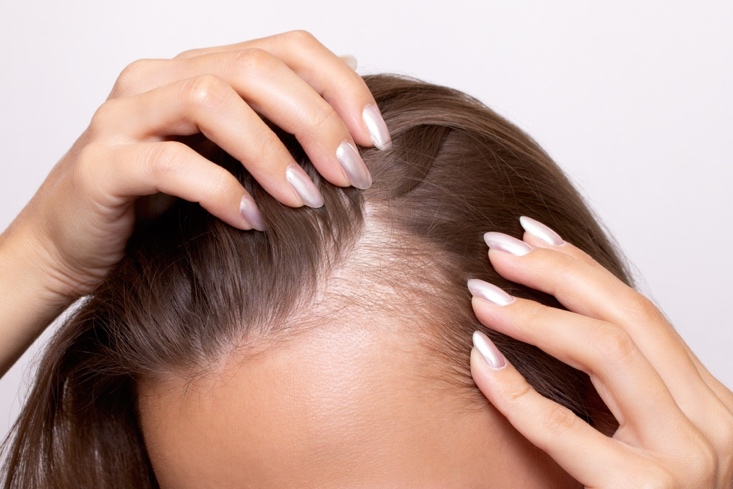
Alopecia can profoundly disrupt identity, emotional wellbeing, and social life. Across 22 qualitative studies (nearly 1,000 participants), hair loss was repeatedly described as central to self-image, gender expression, youth, and attractiveness—so its loss often triggered grief, shame, and a perceived loss of self. Adjustment was described as nonlinear: acceptance can grow over time, but it frequently fluctuates with disease progression and social feedback, and people use a wide range of coping strategies (seeking support, avoidance/distraction, humor, faith, and treatment-seeking).
The review also highlights major gaps in care and the outsized role of social context. Many patients reported clinical encounters that focused on biomedical treatment while minimizing emotional impact, leaving needs unmet and limiting connection to psychosocial resources. Supportive family/friends and peer or online communities can buffer distress, while stigma, intrusive questions, and being mistaken for having cancer can intensify isolation. Concealment (wigs, makeup, styling) often helps people function socially, but it can add financial, practical, and “authenticity” burdens. These findings support the case for personalized, non-pharmacologic interventions that address both individual coping and the social environment.
Top of Form
Reference: AJMC Contributor. Exploring Identity, Appearance Experiences Among Patients With Alopecia. AJMC. Published February 6, 2026. Accessed February 17,2026. https://www.ajmc.com/view/exploring-identity-appearance-experiences-among-patients-with-alopecia
Link: Exploring Identity, Appearance Experiences Among Patients With Alopecia | AJMC