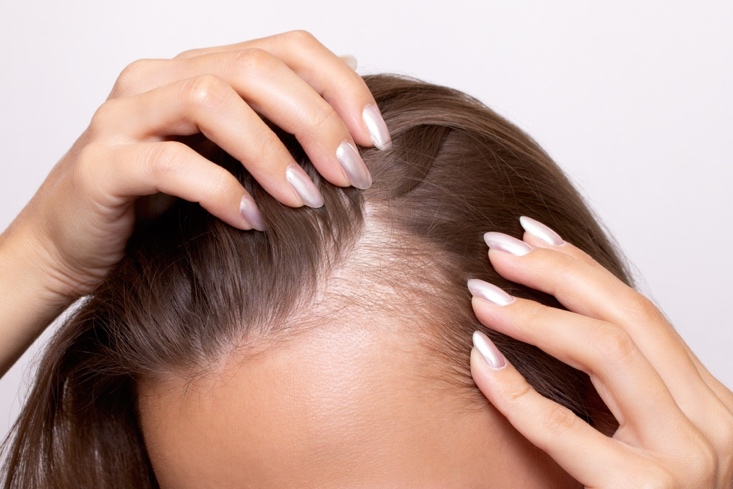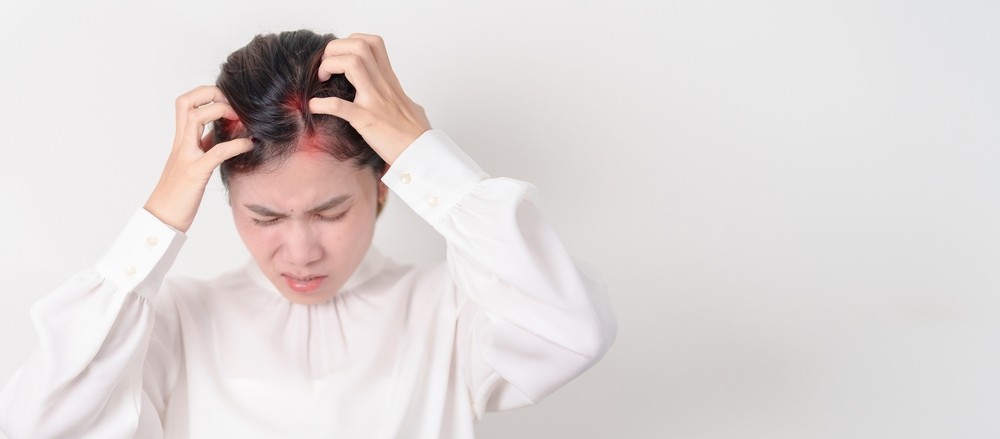
Alopecia areata (AA) can substantially impair quality of life, largely because of appearance-related anxiety tied to where hair loss occurs and how visible it is—not necessarily because patients have higher levels of generalized anxiety or depression. In a comparative cross-sectional study (129 adults with AA vs 142 matched controls), patients with AA reported much higher social appearance anxiety, while generalized anxiety and depression scores were similar between groups. Within the AA cohort, patient-perceived severity correlated with appearance anxiety more than objective clinical indicators, underscoring the importance of the subjective illness experience.
Lesion location mattered: facial involvement—especially eyelashes and eyebrows—was associated with the highest appearance anxiety, with other visible areas (frontal/vertex scalp, beard) also elevated compared with less visible sites. Quality-of-life burden was common and meaningful (average Dermatology Life Quality Index was in the moderate range, with many patients reporting moderate-to-very-large impact). Clinically, the findings argue for a patient-centered approach that routinely screens for appearance-related anxiety—particularly when facial areas are affected—even if generalized anxiety or depression isn’t present.
Reference: Rath K. Visibility, Not Lesion Burden, Drives Distress in Alopecia Areata. AJMC. Published December 27, 2025. Accessed January 8, 2025. https://www.ajmc.com/view/visibility-not-lesion-burden-drives-distress-in-alopecia-areata
Link: Visibility, Not Lesion Burden, Drives Distress in Alopecia Areata | AJMC