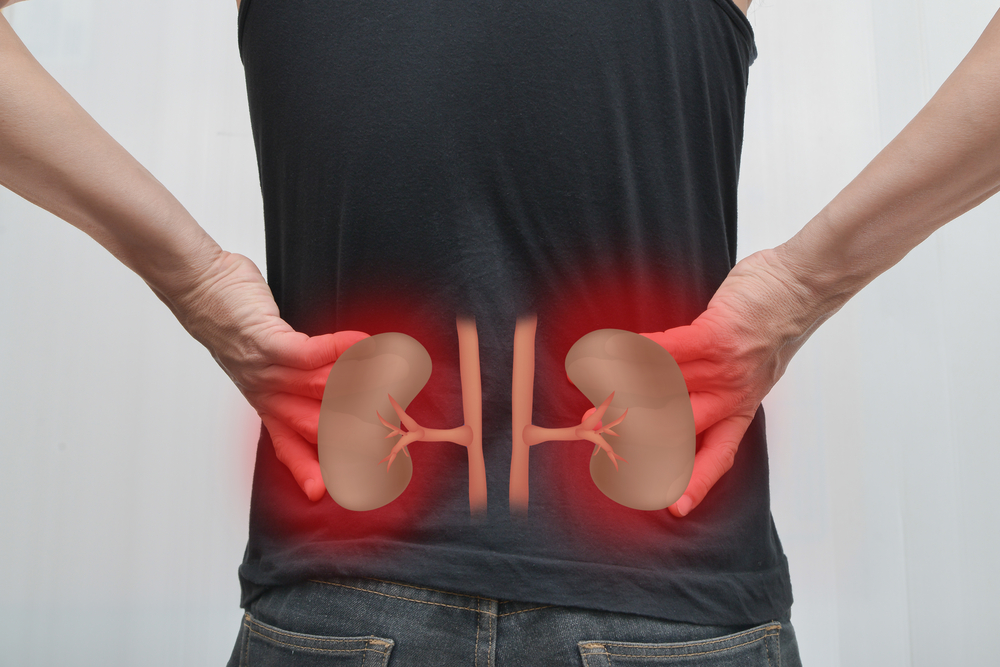
Researchers of a cohort study of 5,582 adults with chronic kidney disease (CKD) from the National Health and Nutrition Examination Survey (NHANES) 1999 to 2016 found that higher weight-adjusted waist index (WWI), a measure intended to capture central adiposity relative to body weight, was independently associated with greater mortality risk. Over a median 8.5 years of follow-up, each 1-unit increase in WWI was associated with a 17% higher risk of all-cause mortality and a 24% higher risk of cardiovascular mortality after adjustment for potential confounders, including body mass index (BMI). Mortality increased progressively across WWI quartiles, and WWI showed more consistent associations with mortality than either BMI or waist circumference. Combining WWI with BMI produced the strongest predictive performance.
The findings suggest that measures of abdominal adiposity may provide risk information in CKD that BMI alone does not capture. Associations were observed across BMI, race, kidney function, and comorbidity subgroups and appeared stronger in men and younger patients. Systemic inflammation may partly contribute to the relationship: neutrophil-to-lymphocyte ratio mediated an estimated 6.66% of the association with all-cause mortality and 4.21% with cardiovascular mortality. However, because anthropometric and inflammatory measures were assessed observationally and residual confounding is possible, the study supports WWI as a potential adjunctive risk marker rather than establishing it as a replacement for current CKD risk-assessment measures.
Reference: McCormick B. Higher Weight-Adjusted Waist Index Tied to CKD Mortality, Study Finds. AJMC. Published September 10, 2026. Accessed September 17, 2026. https://www.ajmc.com/view/higher-weight-adjusted-waist-index-tied-to-ckd-mortality-study-finds
Link: https://www.ajmc.com/view/higher-weight-adjusted-waist-index-tied-to-ckd-mortality-study-finds