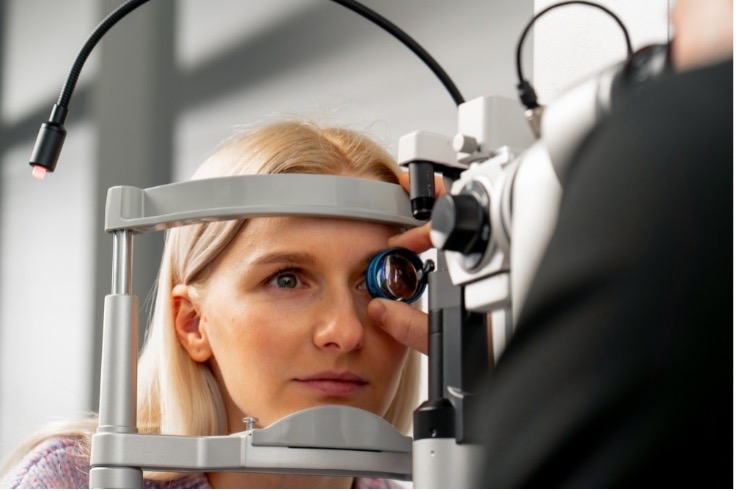
This review synthesizes evidence on ophthalmologic involvement in alopecia areata (AA), linking proposed shared mechanisms (especially immune privilege) with ocular findings reported from the 1960s to the present and ending with practical screening guidance for dermatologists. The authors conducted a narrative review across PubMed, MEDLINE, ScienceDirect, and Google Scholar using MeSH-based terms covering AA, ophthalmology, immune privilege, and ocular structures. They included English/Spanish studies of varied designs and identified 82 articles on AA/eye etiopathogenesis and 140 on ocular comorbidities (August 1963-February 2025). A key premise is that both hair follicles and multiple eye tissues are immune-privileged sites, so loss of tolerance may contribute to ocular disease in AA, though causality remains uncertain.
Clinically, reported eye involvement is diverse and study results are heterogeneous: frequent periocular findings include eyebrow/eyelash loss (madarosis) and eyelid disease (e.g., blepharitis), while anterior-segment issues often include conjunctivitis (commonly allergic features) and dry eye disease/keratitis. Lens changes (asymptomatic opacities and cataracts) recur, and posterior-segment reports include choroidal/RPE changes plus retinal degenerative or vascular abnormalities. Refractive errors are also described. The review highlights important confounders—atopy, oxidative stress, shared ectodermal origin, and treatment effects (especially corticosteroids). It recommends routine ocular symptom screening with structured questions and a periocular exam, with timely referral to ophthalmology when indicated. It also supports coordinated baseline and follow-up eye assessment when systemic AA therapies are initiated.
Reference: Guavita Falla PM, Buendía-Castaño D, Hermosa-Gelbard Á, et al. Ophthalmologic Comorbidities in Alopecia Areata. J Clin Med. 2025 Nov 27;14(23):8409. doi: 10.3390/jcm14238409. PMID: 41375713; PMCID: PMC12693123.