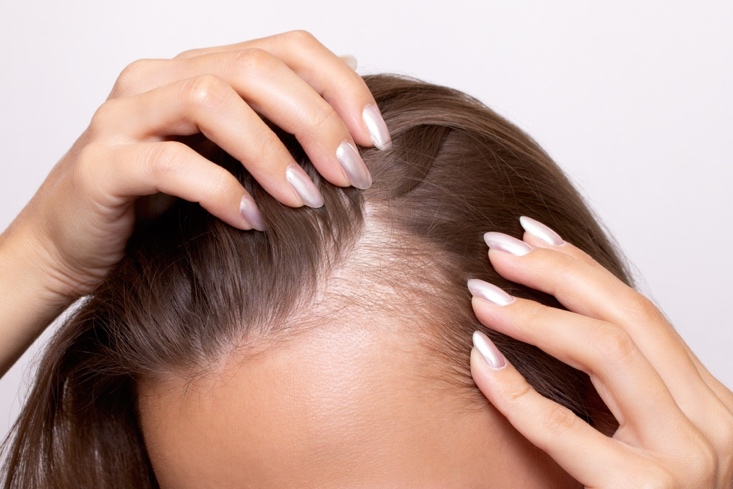
Alopecia areata (AA) is a common, non-scarring autoimmune hair loss condition with several clinical subtypes that can be difficult to treat. UV-based phototherapy is used in AA, but comparative data are limited. This study retrospectively reviewed 49 patients at Nagoya City University Hospital treated with either local or whole-body UV irradiation (narrowband UVB or excimer light). Researchers tracked response using Severity of Alopecia Tool scores and assessed whether patient or disease characteristics predicted outcomes.
Overall, phototherapy produced hair regrowth in about half of patients and was similarly effective whether delivered locally or as whole-body irradiation, with no meaningful differences by device type. Better responses were associated with starting treatment within 1 year of onset and age ≥40, while AA subtype mattered: multiple and totalis patterns improved more than universalis or Ophiasis. Regrowth typically appeared after roughly 20–30 sessions, and adverse effects were mild and transient. The authors discuss potential immunologic explanations (UV-related immunosuppression and possible effects on Tregs/Th17 balance) and conclude phototherapy is a viable option—especially when initiated early—while calling for future studies on durability, recurrence, and predictors of sustained remission.
Reference: Yamamoto A, Enomoto Y, Sakurai M, et al. Efficacy of Local and Whole-Body Phototherapy for the Treatment of Various Types of Alopecia Areata. Photodermatol Photoimmunol Photomed. 2026 Jan;42(1):e70061. doi: 10.1111/phpp.70061. PMID: 41340195; PMCID: PMC12675971.