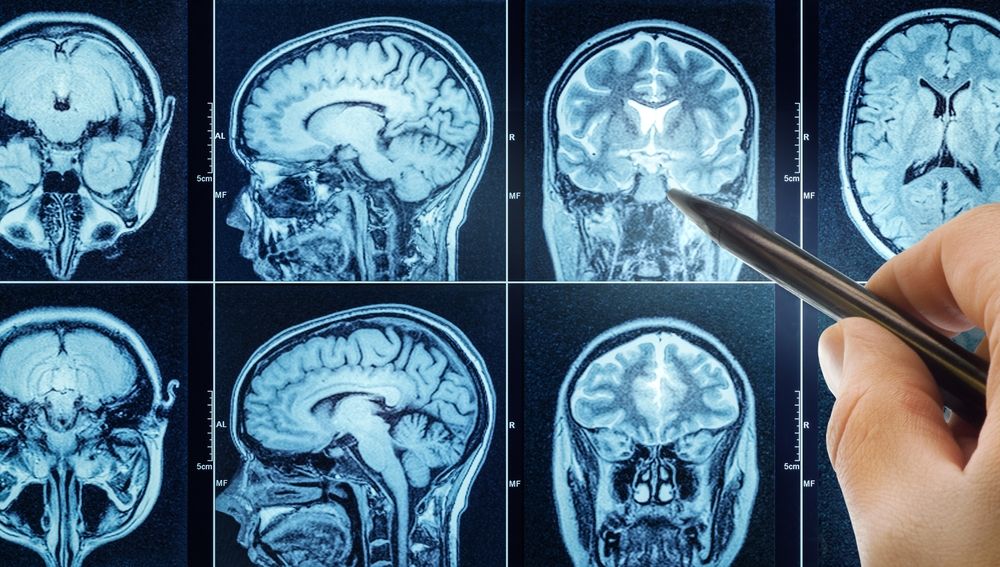
In a recent study, researchers used normative modeling to quantify how individual patients with Parkinson’s disease (PD) deviate from age- and sex-adjusted norms in cortical thickness and subcortical volumes, both cross-sectionally and over two years. Using a deeply phenotyped cohort (408 PD, 53 controls) with MRI at baseline and two-year follow-up, the authors generated regional z-scores and a longitudinal z-diff metric to flag significant change. They then related these measures to clinical scales and predefined PD subtypes.
Patients with PD showed more extreme negative deviations than controls at both time points, with greatest overlap in the putamen and caudate and cortical thinning in temporal/occipital regions. A multivariate deviation pattern correlated (modestly) with cognitive impairment, and longitudinally the caudate, putamen, and thalamus exhibited faster-than-expected atrophy. Subtype analyses showed diffuse-malignant was greater than mild-motor predominant in the burden of extreme longitudinal atrophy, supporting biological differences across phenotypes. Limitations include only two imaging time points, site-adaptation constraints, and no adjustment for head size. Overall, the approach highlights heterogeneous, individually trackable neurophenotypes that align with clinical severity and subtype, offering a framework for patient-level monitoring and stratification.
Reference: Fraza C, Bučková BR, Johansson ME, et al. Understanding individual neurodegenerative progression in Parkinson’s disease through normative modelling. Sci Rep. 2025;15(1):36659. doi: 10.1038/s41598-025-20484-x.