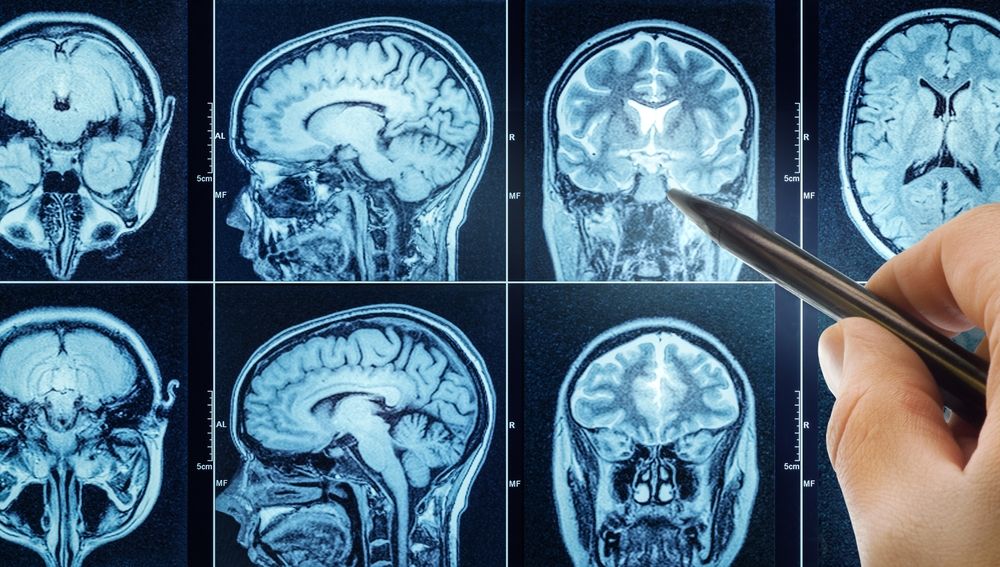
Authors of this study compared resting-state EEG findings, neuropsychological performance, and behavioral features in three small groups: patients with Parkinson’s disease with visual hallucinations, patients with Parkinson’s disease without hallucinations, and healthy controls. The two Parkinson’s groups were matched on general cognitive status so the researchers could better isolate hallucination-related differences. Patients with hallucinations had worse motor symptoms, more REM sleep behavior disorder symptoms, and more neuropsychiatric burden than patients without hallucinations. The two Parkinson’s disease groups did not differ significantly on overall cognitive screening or most formal cognitive tests. Still, the group with hallucinations tended to perform worse on measures tied to executive function, such as Stroop and clock drawing tasks, suggesting subtle frontal/executive weakness rather than broad cognitive decline.
On EEG, the main finding was that patients with hallucinations and Parkinson’s disease showed altered cortical connectivity, especially increased beta and gamma coherence, along with abnormal alpha coherence patterns, compared with the other groups. The authors interpret this as evidence that visual hallucinations in Parkinson’s disease may reflect disrupted large-scale brain network activity, with excessive or inefficient connectivity that affects visual processing and frontal control. Authors suggest that Parkinsonian hallucinations may be linked less to global dementia-like decline and more to abnormal brain network communication, executive dysfunction, sleep-related disturbance, and greater disease burden. The authors conclude that these cortical network changes may help explain why some Parkinson’s patients develop visual hallucinations, though they note that larger studies are needed because the sample was small and the literature remains mixed.
Reference: Kaba RU, Güntekin B, Aktürk T, Yılmaz NH, Hanoğlu L. Indicators of Parkinsonian Visual Hallucinations: Enhanced Beta and Gamma Coherence. Noro Psikiyatr Ars. 2025;62(4):324-332. doi: 10.29399/npa.28847.