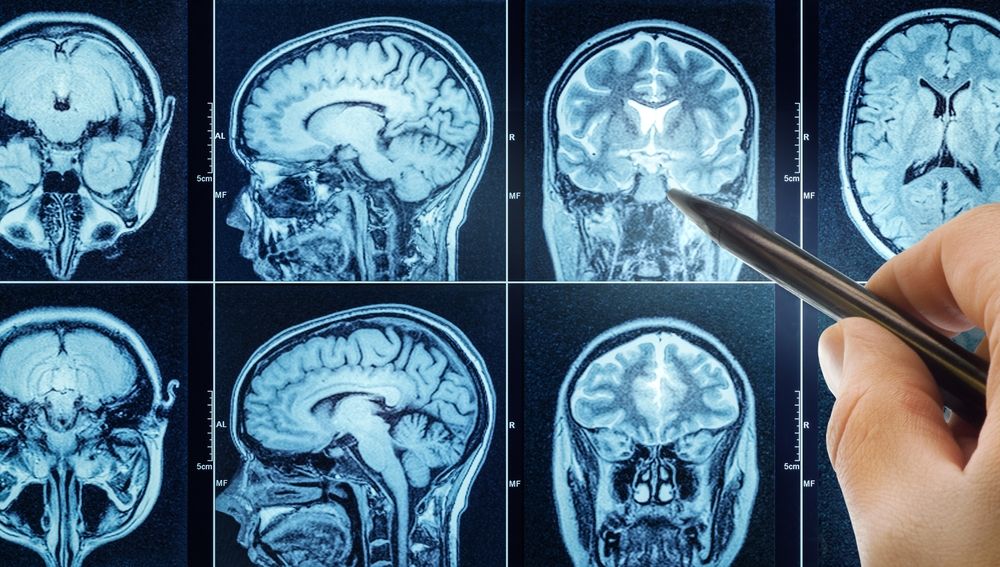
This study used resting-state fMRI and a whole-brain, data-driven method called network-based statistics to examine functional connectivity in Parkinson’s disease psychosis, particularly in patients with visual hallucinations. In the primary Parkinson’s Progression Marker Initiative cohort, the researchers identified a specific subnetwork of reduced connectivity in patients with hallucinations compared with those without, involving regions across the dorsal attention, ventral attention, default mode, and somatomotor networks. Rather than finding broad whole-brain differences, the study suggests that hallucinations in Parkinson’s disease may be linked to disruption within a targeted network that normally helps regulate attention, sensory input, and internally generated mental content. This pattern fit with prior theories that hallucinations arise when attentional control over perception weakens, though the study did not find the Default Mode Network hyperconnectivity some earlier studies had reported.
The findings also appeared clinically meaningful. In the independent Incidence of Cognitive Impairment in Cohorts with Longitudinal Evaluation-Parkinson’s Disease cohort, lower connectivity within the same masked subnetwork was again associated with hallucinations, and weaker connectivity was linked to greater hallucination severity. In the primary cohort, lower connectivity in this network also related to worse attention and cognition and predicted poorer motor outcomes over follow-up in patients with hallucinations. The authors conclude that early Parkinson’s disease psychosis may reflect selective dysfunction in interconnected attention and default mode systems, potentially influenced by broader thalamocortical and structural network disruption. They note limitations such as modest sample size, incomplete hallucination phenotyping, and lack of subcortical analyses, but argue that this type of network analysis could help clarify the neural basis of hallucinations and eventually guide more targeted interventions.
Reference: Montagnese M, Mehta MA, Ffytche D, et al. Disrupted functional brain network associated with presence of hallucinations in Parkinson’s disease. Brain Commun. 2025;7(3):fcaf185. doi: 10.1093/braincomms/fcaf185.