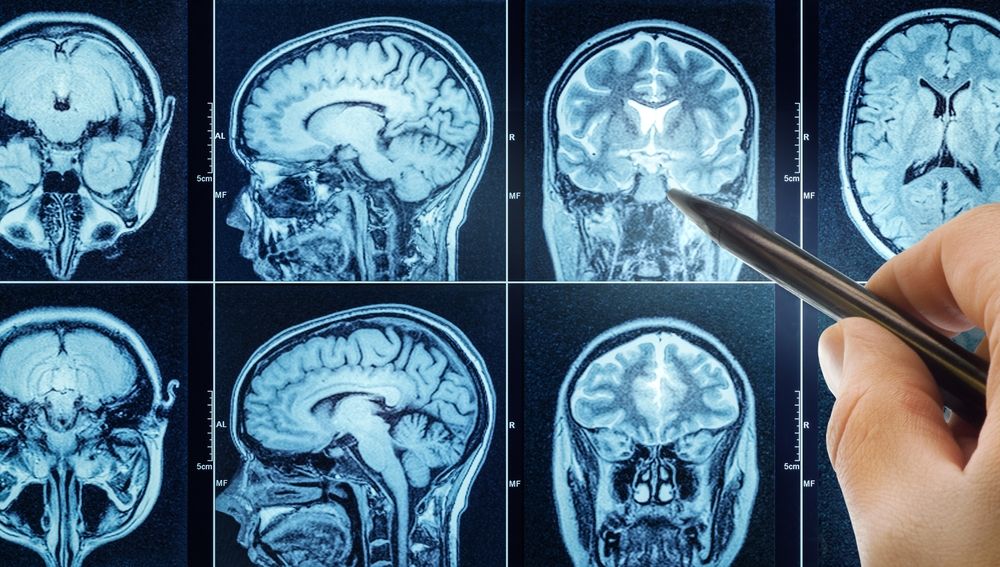
Researchers of this review searched PubMed, Web of Science, Embase, and Neurosynth databases for case–control neuroimaging studies comparing Parkinson’s disease with psychosis (PDP) vs without (PDnP). Twenty-nine cross-sectional articles (n=1367; 514 PDP, 853 PDnP) spanned resting-state functional MRI (rsfMRI) (k=12), task fMRI (k=6), diffusion tensor imaging (DTI) (k=8), PET (k=3), single-photon emission computed tomography (SPECT) (k=2), and magnetic resonance spectroscopy (MRS) (k=1). Heterogeneity in methods precluded meta-analysis, though group comparability was generally adequate.
Across modalities, abnormalities converged on visual, attentional, and default-mode systems with subcortical involvement. Task fMRI often showed occipito-temporo-parietal hypofunction with occasional frontal hyperactivation; rsfMRI commonly found increased default mode network/frontoparietal connectivity and reduced coupling between dorsal/ventral attention networks and visual cortex, plus hippocampal dysconnectivity and altered effective pathways (eg, decreased LGN→V1, increased prefrontal→V1/thalamus). DTI frequently reported inferior longitudinal fasciculus/inferior fronto-occipital fasciculus and broader network disruption; PET showed occipito-temporo-parietal hypometabolism; SPECT revealed reduced striatal dopamine transporter binding; the single MRS study found reduced GABA+/Cr. Overall, findings support impaired integration of bottom-up sensory input with top-down control in PDP, while small samples, diverse methods, and a bias toward visual hallucinations underscore the need for standardized, multimodal, longitudinal studies.
Reference: Pisani S, Gunasekera B, Lu Y, et al. Functional and connectivity correlates associated with Parkinson’s disease psychosis: a systematic review. Brain Commun. 2024;6(6):fcae358. doi: 10.1093/braincomms/fcae358.