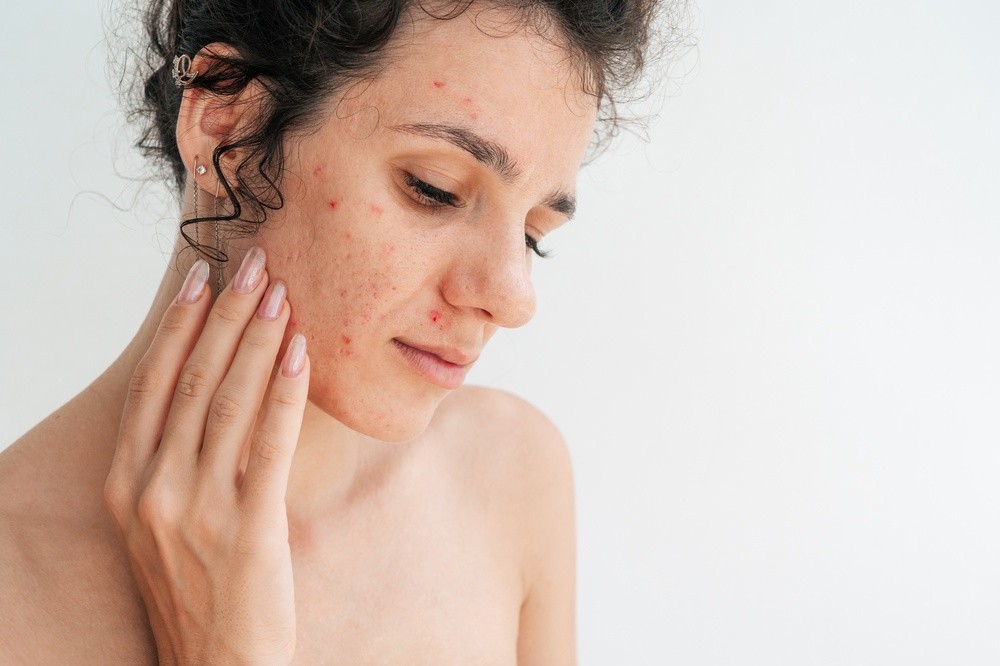
A cross-sectional study of 793 patients with acne vulgaris in Tehran found that most participants believed diet can influence acne. Overall, 82.85% believed dietary changes could improve acne, and many reported that sweets and chocolate, snacks, sunflower seeds, fatty and fried foods, fast food, spices, and nuts worsened acne. In contrast, participants most often viewed fruits and vegetables, antioxidants, zinc, vitamin A, vitamin B, and omega-3 sources as beneficial. The study included patients aged 12-45 years, most of whom had mild or moderate acne, and assessed beliefs using a dermatologist-validated questionnaire.
Patient beliefs about diet and acne were significantly associated with acne severity and skin type, while age, gender, BMI, and education were not significantly related to overall beliefs. However, subgroup findings showed that men were more likely than women to believe certain foods worsened acne, patients with higher BMI were more likely to associate fatty and fried foods with acne worsening, and higher education level was linked to stronger beliefs about the effects of several food categories. The authors concluded that many patients have strong beliefs about diet’s role in acne and that clinicians should provide clear, evidence-based dietary counseling to address misconceptions, support informed choices, and reduce the risk of unnecessary or harmful dietary restrictions.
Reference: Salemi M, Dadkhahfar S, Tehranchinia Z, Razzaghi Z, Ghalamkarpour F. Evaluating the Association Between Acne Vulgaris and Diet: An Exploratory Study on Patient Beliefs and Perceptions. J Cosmet Dermatol. 2025 Jul;24(7):e70285. doi: 10.1111/jocd.70285. PMID: 40626341; PMCID: PMC12235578.