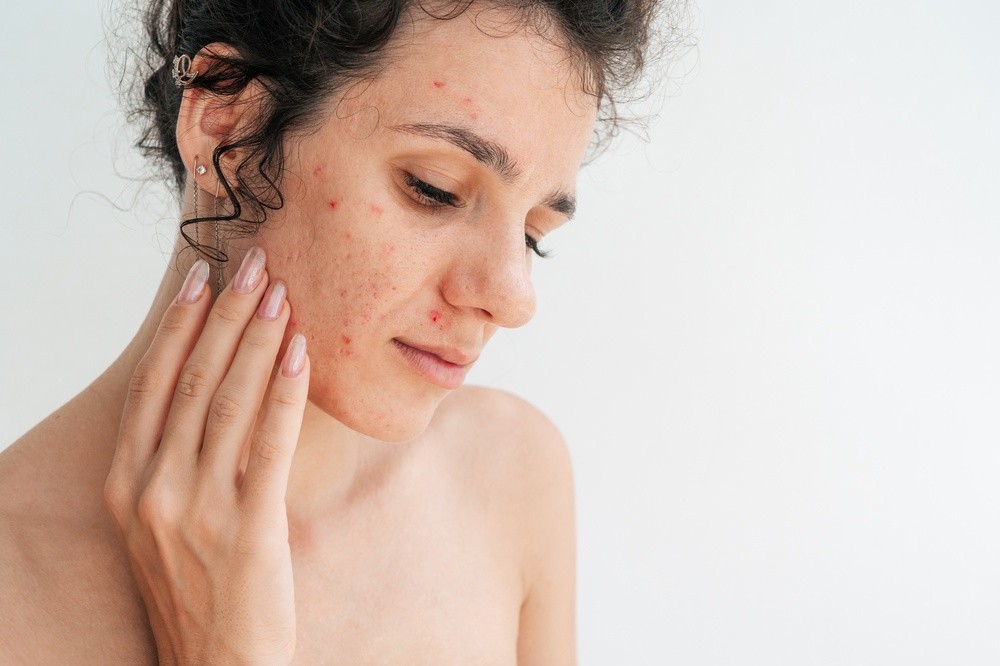
A recent exploratory study found that higher emotional resilience was associated with better skin-related quality of life among adolescents and young adults with acne. Researchers analyzed data from 195 participants aged 12-24 years, using the Connor-Davidson Resilience Scale to assess emotional resilience and the Skindex-16 to evaluate acne-related effects on symptoms, emotions, and functioning. The study found statistically significant negative correlations between resilience and all three skin-related quality-of-life domains. This means participants with higher resilience tended to report lower acne-related emotional, symptomatic, and functional burden.
Subgroup analysis showed that among participants with acne, emotional resilience was significantly associated with better emotional and functional outcomes. Among acne-free controls, resilience was significantly associated with fewer symptom-related quality-of-life effects. The authors suggest resilience may play an important role in how patients adapt to the stress and psychosocial effects of acne. They noted dermatologists and other health care providers should consider strategies that enhance resilience when caring for patients affected by acne-related cosmetic or psychosocial concerns. They also emphasized the need for further research to evaluate resilience-building interventions in this population.
Reference: Reference: Smith T. Emotional Resilience Linked to Better Quality of Life for Those with Acne. HCPLive. Published January 15, 2025. Accessed June 12, 2026. https://www.hcplive.com/view/emotional-resilience-linked-better-quality-of-life-acne
Link: https://www.hcplive.com/view/emotional-resilience-linked-better-quality-of-life-acne